
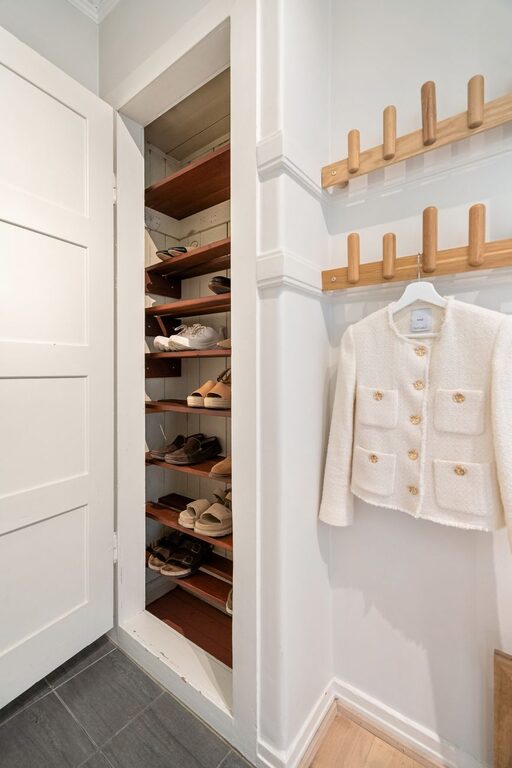
Your entryway is the first space you see when you come home and the last one you pass before heading out. Because it handles coats, shoes, bags, keys, mail, and many other everyday items, it can quickly become cluttered.
The good news is that an organized entryway does not require a large budget or a spacious foyer. With a few practical changes, you can create a cleaner, more useful space that makes daily routines easier.
Start by Clearing the Clutter
Before adding storage, remove everything from the entryway. Place items on the floor or nearby surface so you can see what is taking up space.
Sort everything into a few simple groups:
– Items that belong in the entryway
– Items that belong in another room
– Items to donate or discard
– Items that need attention, such as repairs or cleaning
Be honest about what you use regularly. A crowded entryway often contains items that are rarely needed, such as old shoes, unused bags, or seasonal accessories.
Once you have sorted everything, return only the essentials. Keeping fewer items near the door makes the space easier to maintain.
Create a Dedicated Home for Everyday Items
The easiest way to stay organized is to give each item a specific place. When everyone knows where something belongs, it is more likely to be put away instead of left on a chair, table, or floor.
Consider creating designated spots for:
– Keys
– Wallets
– Sunglasses
– Shoes
– Coats and jackets
– Bags and backpacks
– Hats and gloves
– Reusable shopping bags
Small containers, trays, hooks, and baskets can help keep these items together. Choose storage that matches the way you use the space. For example, a small tray near the door may work well for keys, while a basket could hold hats and gloves.
Use Wall Space Wisely
If your entryway is small, vertical storage can make a big difference. Walls are often overlooked, yet they provide useful space without taking up much floor area.
Install a row of hooks for coats, bags, and umbrellas. Individual hooks make it easier to keep items separated and can be placed at different heights for adults and children.
A wall-mounted shelf can hold small baskets, decorative items, or a container for mail. If you have a narrow wall, choose a slim shelf that does not interfere with movement.
For a finished look, consider using matching hooks or baskets. A simple, consistent design can make the entryway feel calmer, even when it is being used every day.
Organize Shoes by Frequency of Use
Shoes are one of the biggest sources of entryway clutter. Instead of keeping every pair near the door, store only the shoes used most often in this area.
A shoe rack, bench with compartments, or low cabinet can keep pairs together. If you have limited space, choose a vertical shoe organizer or a narrow rack that fits along the wall.
Try these simple habits:
– Keep everyday shoes in the entryway
– Store special occasion and seasonal shoes elsewhere
– Pair shoes before placing them on the rack
– Use a basket for slippers or children’s shoes
– Leave a little extra space for easy access
If shoes are often left on the floor, make the storage option convenient. A system that is difficult to use will not be helpful for long.
Add a Small Bench
A bench can make the entryway more comfortable and functional. It provides a place to sit while putting on or removing shoes and can also offer valuable storage.
Choose a bench with shelves, drawers, or a lift-up seat if you need additional space. Baskets placed underneath can hold scarves, hats, or shoes.
In a narrow entryway, look for a slim bench that does not block the walkway. Even a small stool can provide a useful sitting area without overwhelming the room.
Keep the top of the bench mostly clear. One or two decorative items are fine, but too many objects can turn the bench into another cluttered surface.
Set Up a Mail Station
Mail can quickly gather near the front door. Create a simple system for handling it as soon as it enters your home.
Use a wall pocket, letter tray, or small basket for incoming mail. You can also add separate sections for:
– Mail to review
– Bills or important documents
– Items to recycle
– Mail that needs to leave the house
Recycle unwanted envelopes and advertisements as soon as possible. Set aside a regular time to review the remaining mail so papers do not continue to pile up.
A mail station works best when it is placed close to the door but away from a narrow walkway or frequently used surface.
Keep Small Items Contained
Small objects are easy to lose and can make the entryway look messy. Use containers to keep them visible but controlled.
A shallow bowl or tray can hold keys and sunglasses. Small bins can store gloves, dog accessories, or spare items. Labeling containers may be especially useful when several people share the space.
Avoid using too many containers. The goal is to make items easier to find, not to create more places to sort through. Choose a few containers based on the items you actually use.
Make Room for Seasonal Items
Entryway storage needs change throughout the year. Heavy coats and boots may be useful in winter but unnecessary during warmer months.
Rotate seasonal items to keep the entryway from becoming overcrowded. Store off-season belongings in a closet, under-bed containers, or clearly labeled storage bins.
When changing seasons, take a few minutes to clean the storage area and check the condition of coats, shoes, and accessories. This is a good time to remove items that no longer fit or are no longer used.
Use Labels and Simple Rules
Labels can help family members follow the organization system, especially when several baskets or shelves look similar. Clear labels such as “hats,” “shoes,” or “mail” make it easier to return items to the correct place.
Simple household rules can also prevent clutter. For example:
– One coat per person on the daily-use hooks
– Shoes go on the rack instead of the floor
– Mail is sorted when it comes in
– Bags are returned to their hooks after use
– Items do not stay in the entryway overnight unless they belong there
Keep the rules easy to remember. A system should support your routine, not make it more complicated.
Add a Quick Daily Reset
A short daily reset can keep the entryway organized with very little effort. At the end of the day, take a few minutes to return items to their proper places.
Check the floor, hooks, bench, and mail station. Put away anything that belongs in another room and straighten the remaining items.
Once a week, sweep or vacuum the floor and wipe down frequently touched surfaces. Regular small efforts are usually easier than waiting until the space becomes heavily cluttered.
Choose Style That Supports Function
An organized entryway can also feel welcoming. Add a mirror, a small plant, artwork, or a simple rug if the space allows. Choose pieces that are durable and easy to clean.
Avoid filling the area with decorations that reduce storage or block the walkway. The best entryways balance appearance and function.
Start with the most noticeable problem, such as shoes on the floor or coats without a home. Solve that issue first, then add storage as needed. With a few thoughtful changes and a simple daily routine, your entryway can stay tidy, useful, and ready for whatever comes next.