
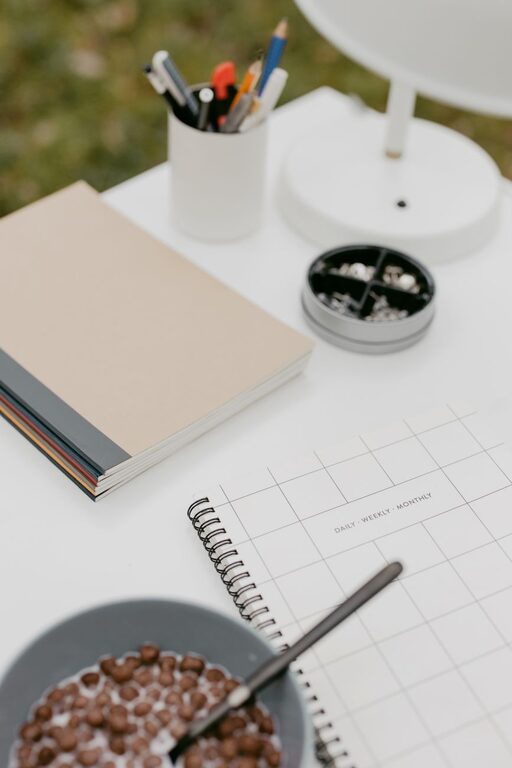
Mornings do not have to feel rushed or chaotic. A few small changes can make it easier to get ready, find what you need, and begin the day with a clear plan. The key is to remove as many decisions as possible from the busiest part of your morning.
You do not need a complicated routine or a complete lifestyle change. Start with one or two ideas that fit your schedule, then build from there.
Prepare the Night Before
One of the easiest ways to improve your morning is to move a few tasks to the evening. Even five or ten minutes of preparation can make the next day feel more manageable.
Choose Your Clothes
Set out your clothes before going to bed. Include everything you need, such as shoes, socks, and accessories. This simple step prevents you from searching through your closet when you are short on time.
If your mornings vary, prepare a few ready-to-wear outfits at the start of the week. Keep them together so you can choose one quickly each day.
Pack Bags and Essentials
Place work bags, school bags, keys, wallets, and other daily essentials in one easy-to-see location. If you leave home with several items, keep them together in a basket, on a shelf, or near the door.
This “launch spot” gives everything a regular home and reduces the chance of forgetting something important.
Prepare Breakfast Items
Make breakfast easier by setting out dishes, utensils, or ingredients the night before. You might portion cereal, wash fruit, prepare coffee supplies, or place bread near the toaster.
The goal is not to create a complicated meal plan. It is simply to make the first meal of the day easier to assemble.
Create a Simple Morning Checklist
A short checklist can help you move through your routine without repeatedly asking yourself what comes next. Keep it realistic and include only the tasks you need to complete.
A basic checklist might include:
– Get dressed
– Open the curtains
– Eat breakfast
– Pack bags
– Check the day’s schedule
– Brush your teeth
– Leave by a specific time
You can write the list on a notepad, add it to a phone app, or place it somewhere visible. Once the routine becomes familiar, you may no longer need the checklist.
Give Every Task a Time Window
Morning tasks often take longer than expected because they do not have clear limits. Assigning a time window to each activity can help you stay aware of the clock.
For example:
– Getting dressed: 10 minutes
– Breakfast: 15 minutes
– Final packing: 5 minutes
– Leaving the house: 5 minutes
Add a small buffer between tasks whenever possible. A few extra minutes can help you handle unexpected delays without losing your entire schedule.
Instead of planning to leave at the exact last possible moment, aim to be ready a little early. This gives you room to find a missing item, answer a message, or deal with a slow start.
Reduce Morning Decisions
Too many choices can make a busy morning feel harder. Look for decisions you can make ahead of time.
You might:
– Pick your outfit the night before
– Rotate through a few dependable breakfasts
– Use the same place for keys and bags
– Plan your first work task in advance
– Keep frequently used items together
This does not mean every morning must be identical. A little structure simply makes the routine easier to follow.
Make Your Alarm Work for You
Choose an alarm setup that helps you get moving without creating confusion. Use a consistent wake-up time when possible, and keep the alarm easy to hear.
If you tend to turn off your alarm and forget the time, place the clock or phone farther away so you need to stand up to switch it off. Once you are up, go directly to the next step in your routine instead of returning to bed.
Avoid filling your first few minutes with a long stream of notifications. Give yourself time to wake up and focus on the essentials before checking messages or social media.
Add Light and Movement
Opening curtains or turning on lights can make your space feel more active and welcoming. Natural light can also help you feel more connected to the start of the day.
A few minutes of gentle movement can help you transition from rest to activity. Try walking around the room, stretching, or putting away a few items. Keep it simple and comfortable. The purpose is to get moving, not to add another demanding task to your schedule.
Keep Breakfast Easy
A reliable breakfast can save time and prevent you from searching for food at the last minute. Choose options that are simple to prepare and easy to clean up.
Ideas include:
– Toast with fruit
– Yogurt with granola
– Oatmeal with nuts or berries
– A breakfast sandwich prepared ahead of time
– A smoothie with ready-to-use ingredients
– Cereal with fruit
Create a small list of breakfast choices so you do not need to decide from scratch each morning. You can also keep a few shelf-stable options available for especially busy days.
Set Up a Calm Leaving Routine
The final minutes before leaving are often the most stressful. Create a short sequence that helps you finish consistently.
For example:
- Check the weather and schedule.
- Fill a water bottle if needed.
- Pick up your bag and keys.
- Turn off lights and check important appliances.
- Leave at your planned time.
Keep this routine in the same order each day. Repetition makes it easier to notice if something is missing and reduces last-minute searching.
A small checklist near the door can be useful for households with several people. It can include items such as bags, lunch, keys, glasses, and shoes.
Organize the Most Used Items
Morning problems are often caused by items that do not have a clear storage place. Spend a few minutes organizing the things you use every day.
Create convenient homes for:
– Keys
– Bags
– Shoes
– Coats
– Chargers
– Glasses
– Lunch containers
– Work or school supplies
Storage does not need to be expensive. A bowl, hook, tray, or small basket may be enough. The important part is returning items to the same place after use.
Review Your Routine Once a Week
A routine should support your life, not make it feel restrictive. Once a week, consider what worked and what caused delays.
Ask yourself:
– Which task took longer than expected?
– What did I forget?
– What could be prepared earlier?
– Is anything in the routine unnecessary?
– Where did I feel most rushed?
Use your answers to make one small adjustment. You might move an item closer to the door, prepare breakfast ingredients earlier, or shorten a checklist.
Start Small and Stay Flexible
The best morning routine is one you can use consistently. Trying to change everything at once can make the process feel like another chore.
Start with one improvement, such as setting out clothes or creating a launch spot. After that habit feels natural, add another. If your schedule changes, adjust the routine rather than abandoning it completely.
A smoother morning does not require perfection. It comes from preparing a little earlier, reducing unnecessary choices, and giving yourself enough time to handle the unexpected. Small improvements can make the start of each day feel calmer, clearer, and easier to manage.