
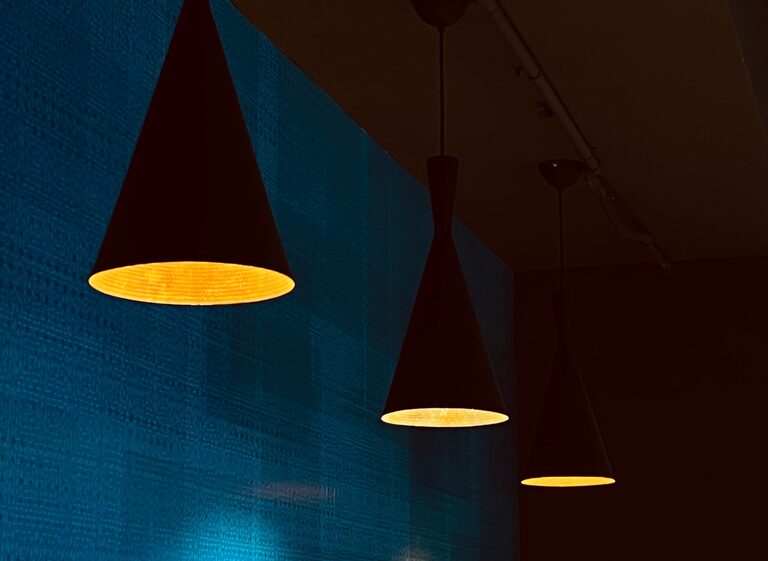
A dark room can feel cozy, but it may also seem smaller, colder, or less inviting than you would like. Fortunately, you do not need a major renovation to make the space feel brighter. A few thoughtful changes to color, lighting, furniture, and decor can make a noticeable difference.
Whether the room has small windows, limited natural light, or dark finishes, these simple ideas can help create a lighter and more comfortable atmosphere.
Start With Better Lighting
The fastest way to brighten a dark room is to improve its lighting. Instead of relying on one ceiling fixture, create layers of light throughout the space.
Use Several Light Sources
Combine different types of lighting to spread brightness evenly:
– A ceiling light for general illumination
– Floor or table lamps for softer light
– Wall lights to brighten vertical surfaces
– Task lighting for desks, reading chairs, or work areas
– Accent lights to highlight artwork or shelving
Several smaller lights often feel warmer and more effective than one bright fixture in the center of the room.
Choose Light Bulbs Carefully
Light bulb color can change the entire mood of a room. Soft white bulbs create a warm and comfortable feeling, while daylight bulbs provide a clearer, brighter appearance.
For living rooms and bedrooms, warm or soft white bulbs usually work well. In a home office, kitchen, or reading area, a slightly cooler white may help the space feel more energetic. Check the brightness level as well, especially if the room has dark walls or heavy furniture.
Use Light, Reflective Colors
Paint is one of the most noticeable ways to change a dark room. Light colors reflect more light and can make walls appear farther apart.
White is a classic choice, but it is not the only option. Consider these shades:
– Soft white
– Cream
– Pale gray
– Light beige
– Dusty blue
– Soft green
– Warm taupe
If the room feels cold, choose a warm-toned light color. If it feels yellow or overly warm, a pale gray or soft blue may create better balance.
Paint More Than the Walls
Painting the ceiling a light color can make it feel higher and help bounce light around the room. You can also brighten dark trim, doors, or built-in shelves with fresh paint.
For a subtle update, paint only one dark feature, such as a fireplace surround or accent wall. This can reduce the visual heaviness without removing the room’s character.
Add Mirrors in the Right Places
Mirrors reflect both natural and artificial light, making them useful in rooms that lack brightness. Place a mirror across from a window to reflect outdoor light back into the room. You can also position one near a lamp or opposite a bright wall.
A large mirror can create a stronger sense of space, while a group of smaller mirrors adds style and visual interest. Choose a frame that works with the room’s design, such as light wood, brushed metal, or a simple painted finish.
Avoid placing mirrors where they reflect clutter or an unattractive view. The reflected image becomes part of the room, so placement matters.
Keep Windows Clear
Heavy curtains and crowded window areas can block valuable natural light. Replace thick, dark window treatments with lightweight curtains in white, cream, or another pale shade.
Choose curtain rods that extend beyond the window frame. This allows the curtains to sit beside the window instead of covering the glass when they are open. Hanging curtains closer to the ceiling can also make the window appear taller.
Keep the area around the window as open as possible. Move tall furniture, large plants, or decorative objects away from the glass to let more daylight enter.
Choose Furniture With a Lighter Look
Dark, bulky furniture can make a room feel closed in, even when the walls are light. You do not have to replace every piece, but reducing visual weight can help.
Look for furniture with:
– Light-colored upholstery
– Open legs
– Glass or reflective surfaces
– Pale wood finishes
– Slim profiles
– Open shelving
For example, replacing a solid coffee table with one that has a glass top or open base can reveal more of the floor and make the room feel less crowded.
If replacing furniture is not practical, use light-colored throws, slipcovers, or cushions to soften large dark pieces.
Brighten the Floor
A dark floor can absorb light and make the entire room seem heavier. A large, light-colored rug can quickly change the appearance of the space while adding comfort.
Choose a rug in cream, beige, light gray, or a gentle pattern with a pale background. A design with several related colors can hide everyday marks while still keeping the room bright.
If you have hardwood floors, clean and polish them according to the manufacturer’s instructions. A well-maintained floor can reflect more light and look fresher.
Use Reflective and Glossy Details
A few reflective surfaces can help light move around the room. Consider adding:
– A glass vase
– Metallic picture frames
– A glossy ceramic lamp
– A mirrored tray
– Furniture with a polished finish
– Decorative objects in light colors
Use these details in moderation. Too many glossy items can make a room feel busy, but a few well-placed accents can add brightness and interest.
Reduce Visual Clutter
Clutter can make a room feel darker because it breaks up surfaces and creates more shadows. Start by clearing unnecessary items from tables, shelves, and the floor.
Group decorative objects instead of spreading them throughout the room. Keep open areas around lamps and windows, and store items that are not used regularly.
A simple room often feels brighter because the eye can move more easily across the space. Even a quick organizing session can make a noticeable difference.
Add Light-Colored Textiles
Textiles are an easy way to introduce brightness without making permanent changes. Try adding a pale blanket, light cushions, or airy curtains.
If the room has a dark sofa or bed, use contrasting textiles in cream, white, pale blue, or soft green. Layering different textures, such as cotton, linen, and woven fabric, keeps the space inviting rather than plain.
You can also change seasonal textiles to adjust the room’s feel. Lightweight fabrics work well in warmer months, while soft knits and textured throws add comfort during colder seasons.
Bring in Greenery Carefully
Plants can make a dark room feel more lively, but choose varieties that suit the available light. If the room receives very little daylight, select plants known to tolerate lower-light conditions, and place them near the brightest area available.
Light-colored planters can support the brightening effect. White, cream, pale green, or natural ceramic pots can look lighter than dark containers.
If live plants are not practical, a small arrangement of dried stems or a realistic artificial plant can add color without requiring much maintenance.
Make Small Changes First
You do not need to update everything at once. Begin with the changes that offer the greatest impact:
- Open and simplify the windows.
- Add a lamp or improve the light bulbs.
- Introduce a large mirror.
- Replace heavy textiles with lighter ones.
- Remove clutter from visible surfaces.
- Add a pale rug or a few bright accessories.
Try one change at a time and observe how the room responds. Combining a few simple improvements can make a dark room feel brighter, larger, and more welcoming without a costly makeover.