
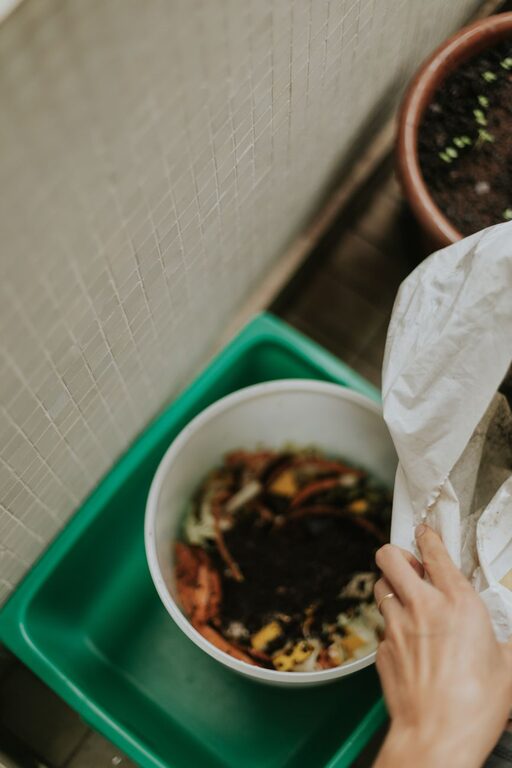
Composting is a simple way to turn everyday food scraps and yard waste into a rich material that can improve soil. It can reduce the amount of organic waste sent to landfills while giving your garden a natural source of nutrients.
You do not need a large yard or special equipment to begin. With the right balance of materials, moisture, and air, composting can work in a small outdoor space or even indoors with a suitable system.
Choose the Right Composting Method
The best composting method depends on your available space, the amount of organic waste you produce, and how much time you want to spend maintaining the pile.
Outdoor Compost Bin
An outdoor bin is a common choice for homes with a yard. You can buy a compost tumbler, use a stationary bin, or build a simple enclosure from untreated wood or wire mesh.
Place the bin on level ground where it gets some sunlight and is easy to reach. Good air circulation helps the materials break down, while nearby access to water makes maintenance easier.
Compost Tumbler
A tumbler is a sealed container that can be rotated by hand. Turning the container mixes the materials and adds air, which may help the compost break down more evenly.
Tumblers are often convenient for small spaces, but they can become heavy when full. Add materials gradually and avoid overloading the container.
Indoor Composting
People without outdoor space can use a countertop collection container, a worm bin, or an electric composting appliance. A countertop container does not create finished compost by itself, but it can store scraps until they are taken to a community composting site.
Worm bins use special composting worms to process food scraps. They require a controlled environment but can work well in apartments and other small homes.
Learn the Basic Compost Ingredients
A healthy compost pile needs a mixture of “green” and “brown” materials. These terms describe the material’s role in the composting process, not necessarily its color.
Green Materials
Green materials are generally moist and rich in nitrogen. They help support the organisms that break down organic matter.
Common examples include:
– Fruit and vegetable scraps
– Coffee grounds and paper filters
– Fresh grass clippings
– Fresh plant trimmings
– Crushed eggshells
– Small amounts of fresh leaves
Brown Materials
Brown materials are usually dry and rich in carbon. They add structure and help keep the pile from becoming too wet or compacted.
Common examples include:
– Dry leaves
– Plain cardboard
– Shredded newspaper
– Paper bags
– Small twigs
– Untreated wood chips
– Straw
A simple approach is to add roughly two or three parts brown material for every one part green material by volume. You do not need to measure every addition. Instead, watch the pile and adjust it as needed.
Prepare Materials Before Adding Them
Smaller pieces break down faster because they provide more surface area for microorganisms to work on. Chop large vegetable scraps, tear cardboard into small pieces, and cut thick stems before adding them.
Avoid adding large amounts of one material at once. For example, a thick layer of grass clippings can become wet, compacted, and unpleasant. Mix fresh grass with dry leaves, shredded cardboard, or other brown materials.
If food scraps are attracting pests, bury them in the center of the pile and cover them with a layer of brown material.
Keep the Compost Moist but Not Wet
Moisture is important because the organisms breaking down the materials need water. However, a compost pile that is too wet may smell bad and lose air circulation.
The materials should feel similar to a wrung-out sponge. If the pile is dry, add a small amount of water while mixing it. If it is too wet, add dry leaves, shredded cardboard, or other brown materials.
A lid can help protect the pile from heavy rain, but avoid sealing it completely. Compost needs ventilation to support the natural breakdown process.
Add Air by Turning the Pile
Turning compost mixes the ingredients, improves airflow, and distributes moisture. Use a garden fork, shovel, or the turning feature on a compost tumbler.
For a new pile, turning every week or two is a practical starting point. You can turn it more often if you want faster results, but regular mixing is not required for basic composting.
If the pile smells unpleasant, feels slimy, or is not breaking down, turn it and add dry brown materials. A strong odor often means the pile contains too much moisture or not enough air.
Know What to Compost
Many everyday plant-based materials can go into a home compost pile, including:
– Vegetable and fruit scraps
– Coffee grounds and paper filters
– Tea leaves and unbleached tea bags
– Eggshells
– Plain paper and cardboard
– Yard trimmings
– Leaves and small branches
– Wilted flowers
– Natural plant debris
Remove stickers from produce before adding scraps. Tear cardboard into smaller pieces and avoid heavily printed, glossy, or coated paper.
Know What to Leave Out
Some materials can attract pests, create odors, or introduce unwanted substances into the finished compost. Unless your local composting program specifically accepts them, leave out:
– Meat and fish
– Bones
– Dairy products
– Greasy or oily foods
– Pet waste
– Diseased plants
– Weeds with mature seeds
– Coal or charcoal ash
– Treated wood
– Plastic, glass, and metal
Commercial composting facilities may accept some items that are not suitable for a basic home pile. Check local guidelines before adding anything unusual.
Be Patient With the Process
Composting can take several months, depending on the materials, temperature, moisture, and how often the pile is turned. A pile may also slow down during cold weather.
Finished compost is usually dark brown, crumbly, and earthy-smelling. Most of the original materials should no longer be recognizable, although small pieces of twigs or eggshells may remain.
If you need to use the compost before everything has fully broken down, screen it through a garden sieve and return the larger pieces to the pile. Let unfinished material continue decomposing before mixing it into soil around young plants.
Use Finished Compost in the Garden
Finished compost can be mixed into garden soil, added around established plants, or used as a component in potting mixes. Spread a thin layer over garden beds and gently mix it into the top few inches of soil.
Compost is a soil amendment rather than a complete replacement for soil. Use it in moderation and follow the needs of the plants you are growing.
For houseplants, use only mature, fully finished compost. Unfinished compost may continue breaking down in the container and can affect moisture or air movement around the roots.
Common Beginner Mistakes
New composters often run into a few simple problems. Here are practical solutions:
– Bad smell: Add dry brown materials and turn the pile to improve airflow.
– Pile is too dry: Add a little water and mix the contents.
– Pile is too wet: Add shredded cardboard, dry leaves, or straw.
– Pile is not breaking down: Chop materials smaller and add a balanced mix.
– Pests are appearing: Cover food scraps with brown material and avoid meat or dairy.
– Pile is too small: Build it gradually or collect materials until you have enough for better insulation.
Start with manageable amounts and observe how the pile changes. Composting becomes easier once you learn what your household produces and how your bin responds.
Make Composting a Daily Habit
Keep a small container near your kitchen work area for fruit and vegetable scraps. Empty it regularly to prevent odors, and add a layer of brown material to your outdoor bin each time you add food scraps.
You can also save dry leaves in bags or containers so you always have a supply of brown material. With a few simple habits, composting can become a convenient part of your household routine and a useful way to support healthier soil.