
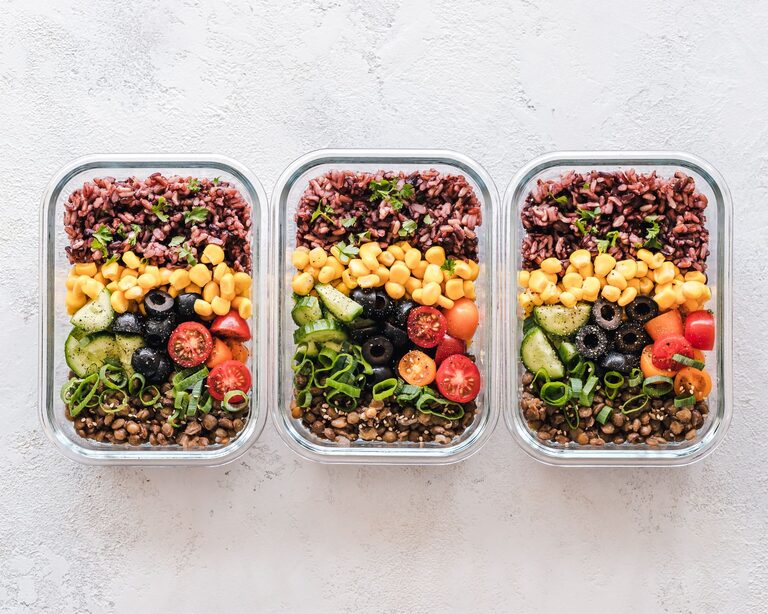
Planning balanced meals does not have to mean following a strict schedule, counting every ingredient, or preparing complicated recipes. With a few simple habits, you can create satisfying meals that fit your routine, budget, and preferences.
The goal is to make everyday choices easier. A flexible plan can help you shop with purpose, use what you already have, and avoid the pressure of deciding what to eat at the last minute.
Start with a simple meal formula
A balanced meal usually includes a combination of foods that provide energy, flavor, and satisfaction. Instead of planning every detail, use a basic formula:
– A protein source
– A vegetable or fruit
– A carbohydrate or grain
– A source of healthy fat
– A drink, such as water or unsweetened tea
This approach gives you a helpful starting point without requiring exact measurements. For example, you might combine roasted chicken, brown rice, steamed broccoli, and a simple dressing. A vegetarian meal could include beans, quinoa, roasted vegetables, avocado, and salsa.
The formula is flexible. You can adjust it based on what you have available, what your household enjoys, and how much time you have.
Plan a few meals at a time
Planning an entire week in detail can feel overwhelming. Start with two or three days instead. This gives you structure while leaving room for changes.
Choose:
– Two or three main meals
– One or two quick options for busy days
– A few snacks or easy add-ons
– Ingredients that can be used in more than one dish
For example, cooked vegetables can be served with rice one day and added to a wrap the next. A batch of beans can be used in tacos, salads, or soup. Planning ingredients in this way reduces work and helps prevent food waste.
Once this method feels comfortable, you can gradually plan more days. There is no need to create a perfect schedule from the beginning.
Build a flexible ingredient list
Rather than choosing recipes first, consider selecting ingredients from a few basic categories.
Protein options
Choose foods such as:
– Eggs
– Chicken or turkey
– Fish
– Tofu or tempeh
– Beans and lentils
– Greek-style yogurt
– Nuts and seeds
Vegetable and fruit options
Fresh, frozen, and canned produce can all be useful. Consider:
– Leafy greens
– Carrots
– Bell peppers
– Broccoli
– Tomatoes
– Apples
– Bananas
– Berries
– Oranges
Grain and carbohydrate options
These may include:
– Oats
– Brown or white rice
– Whole-grain bread
– Pasta
– Potatoes
– Corn tortillas
– Quinoa
Flavor and fat options
Small additions can make simple meals more enjoyable:
– Olive oil
– Avocado
– Peanut or almond butter
– Cheese
– Hummus
– Herbs
– Spices
– Salsa
– Lemon or lime juice
Keeping a range of these ingredients available makes it easier to combine foods without relying on one specific recipe.
Use mix-and-match meal components
One of the easiest ways to reduce cooking stress is to prepare a few components instead of complete meals. Cook a grain, prepare a protein, wash or chop some produce, and keep one or two sauces on hand.
These components can become different meals throughout the week:
– Grain bowls with vegetables and a protein
– Wraps with greens, beans, and hummus
– Salads topped with eggs, chicken, or lentils
– Scrambled eggs with toast and fruit
– Pasta with vegetables and a simple sauce
– Soup served with bread and a side salad
This method gives you variety without requiring a new recipe every night.
Keep quick meal options available
Busy days are part of normal life. A balanced plan should include meals that require little preparation.
Useful items to keep on hand include:
– Frozen vegetables
– Canned beans
– Eggs
– Whole-grain bread or tortillas
– Prewashed greens
– Canned tuna or salmon
– Plain yogurt
– Fruit
– Ready-to-cook grains
– Low-sodium soups
A quick meal might be a bean and cheese quesadilla with sliced fruit, or a bowl of microwaved rice topped with frozen vegetables, an egg, and a flavorful sauce.
Convenience foods can be part of a practical meal plan. Combining them with fresh or minimally prepared ingredients can save time while keeping meals varied.
Make a realistic grocery list
A grocery list works best when it reflects your actual routine. Before shopping, check your refrigerator, freezer, and pantry. This helps you avoid buying duplicates and reminds you to use ingredients that are already available.
Organize the list by category:
– Produce
– Protein
– Grains and bread
– Dairy or alternatives
– Pantry items
– Snacks
– Flavor ingredients
Try to choose foods that can be used in several ways. For example, spinach can be added to eggs, pasta, smoothies, or sandwiches. A large container of yogurt can work for breakfast, snacks, or a simple sauce.
Avoid buying a large amount of fresh food unless you know when you will use it. Frozen and shelf-stable foods can provide helpful flexibility.
Leave room for preferences and changes
A meal plan should support your life, not make it more difficult. If plans change, move meals to another day instead of treating the plan as a failure.
You can also plan one flexible meal each week. This might be leftovers, takeout, a simple sandwich, or a meal made from whatever needs to be used. Flexibility makes it easier to stay consistent over time.
It is also helpful to consider the preferences of everyone eating. Offer a few components separately when possible, such as rice, vegetables, protein, and sauces. This allows people to build meals they enjoy without preparing several completely different dishes.
Reduce daily decision-making
Small routines can make meal planning feel easier:
– Choose meals on the same day each week.
– Keep a list of family favorites.
– Repeat successful breakfasts and lunches.
– Prepare ingredients while cleaning up from another meal.
– Store leftovers in clear containers.
– Label foods with the date they were prepared.
– Keep a few emergency meals in the freezer.
You do not need constant variety. Repeating a few dependable meals can save time and energy. Variety can come from changing sauces, vegetables, seasonings, or side dishes.
Focus on progress, not perfection
Balanced meals do not need to look the same every day. Some meals may be carefully prepared, while others may be simple and convenient. What matters is the overall pattern, not whether every plate follows a precise formula.
Start with one small change, such as planning two dinners, keeping fruit available, or preparing one ingredient in advance. Once that habit feels natural, add another.
The best meal plan is one you can use regularly. By keeping your approach flexible, choosing practical ingredients, and preparing a few basics ahead of time, you can enjoy balanced meals with less stress and more confidence.